

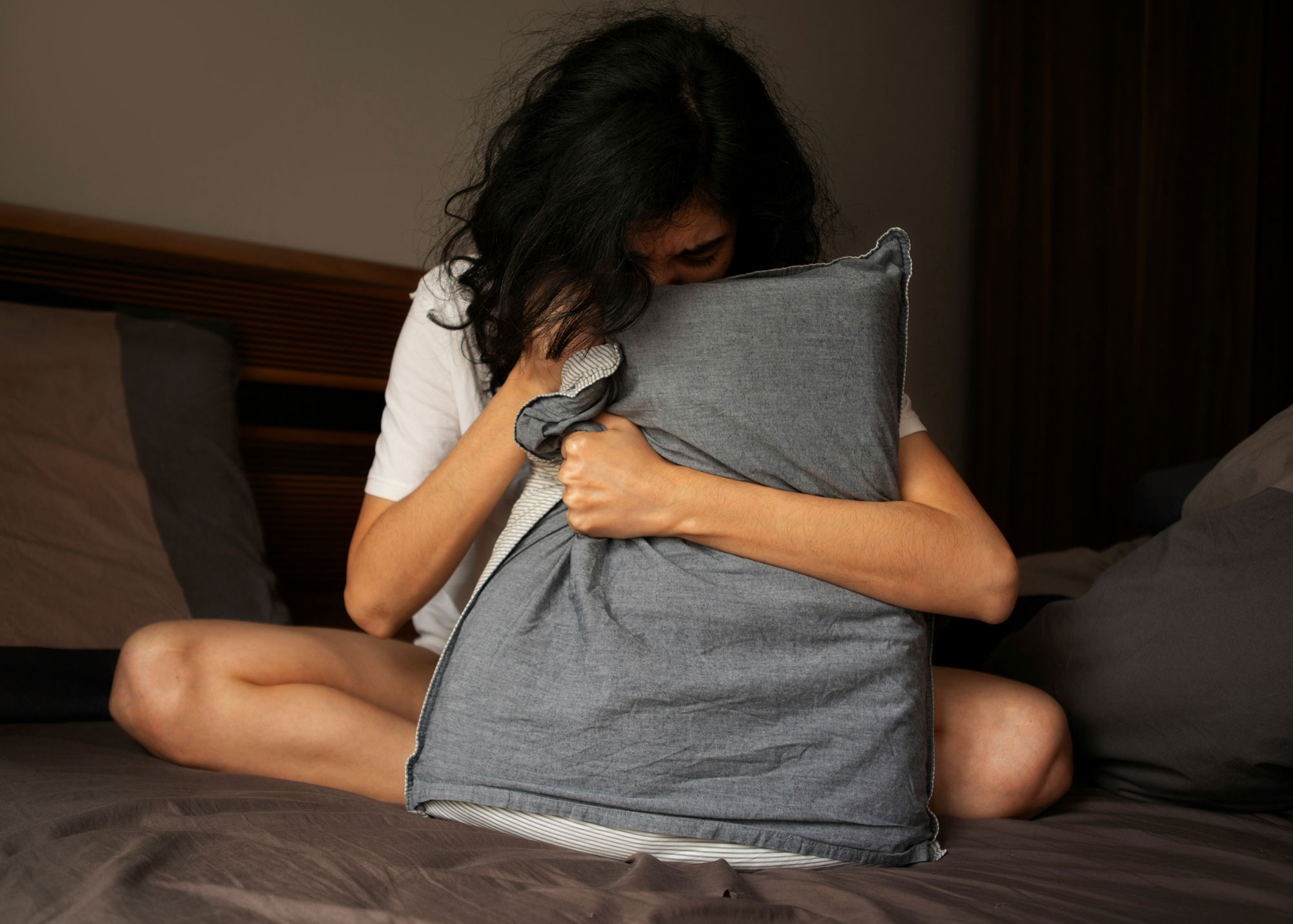
Panic attacks can be intense, sudden episodes of fear that cause physical symptoms like a racing heartbeat, shortness of breath, dizziness, chest tightness, shaking, or a sense of losing control. Even though they feel overwhelming, panic attacks are highly treatable. Research has identified several effective ways to reduce how often they happen and how distressing they feel when they do.
Panic attacks occur when the body’s fight-or-flight system becomes activated in a situation that is not actually dangerous. This creates a cycle of fear, physical symptoms, and more fear, which is why attacks can escalate quickly. Learning why this happens, and how to interrupt the cycle, is a key part of long-term symptom reduction. Evidence-based strategies – including skills-based therapy, grounding techniques, lifestyle support, and medication – can make a significant difference [1].
One of the most effective treatments for reducing panic attacks is cognitive-behavioral therapy (CBT). CBT teaches people how to identify catastrophic thinking patterns, understand the fear-sensation cycle, and retrain the body’s responses to triggers. Interoceptive exposure, a core component of CBT for panic, helps people gradually face and desensitize their physical sensations (like rapid heart rate or dizziness) so the brain stops misinterpreting them as signs of danger [2]. Research consistently shows CBT leads to lasting improvement for many individuals with panic attacks.
If someone feels unsure about where to start or wants help exploring treatment options, online psychiatric practices like Remedy provide accessible mental health resources and medication support for Californians seeking care.
During an active panic attack, grounding and breathing skills can help reduce intensity. Slow, controlled breathing, especially extending the exhale, can calm the autonomic nervous system and slow the escalation of symptoms. Grounding strategies, like noticing sensory details in the room or gently describing objects in your environment, help shift attention away from overwhelming internal sensations and back to the present moment [3]. These skills don’t eliminate panic attacks entirely, but they often shorten their duration and lessen distress.
Lifestyle factors also matter. Regular sleep, reduced caffeine intake, steady routines, and consistent physical activity can strengthen the body’s ability to regulate stress. While lifestyle changes alone rarely stop panic attacks, they provide a supportive foundation that makes therapeutic strategies more effective [4].
For some individuals, especially those with frequent or severe episodes, medication can play an important role. Psychiatric providers often prescribe selective serotonin reuptake inhibitors (SSRIs) or serotonin-norepinephrine reuptake inhibitors (SNRIs), which are considered first-line options for panic disorder because they target the neural pathways involved in panic and anxiety. Short-term use of benzodiazepines may be appropriate in limited circumstances, but long-term treatment generally focuses on medications and strategies that promote stability and reduce the risk of dependence [5].
When therapy skills, lifestyle support, and, when appropriate, medication align, many people see meaningful improvement. Recovery doesn’t always happen all at once; it is often gradual, allowing individuals to regain a sense of control and confidence as symptoms diminish. People who want to explore psychiatric care options in California can find additional treatment information through Remedy’s telepsychiatry services.
References
-
National Institute of Mental Health. Panic Disorder: When Fear Overwhelms. National Institutes of Health.
-
American Psychological Association. Understanding Panic Disorder and Cognitive Behavioral Therapy. American Psychological Association; 2022.
-
Anxiety and Depression Association of America. Managing Panic Attacks: Strategies and Coping Tools. ADAA; 2021.
-
Mayo Clinic. Panic Attacks and Panic Disorder: Symptoms and Management. Mayo Clinic; 2023.
-
American Psychiatric Association. Practice Guideline for the Treatment of Patients With Panic Disorder. American Psychiatric Association; 2020.