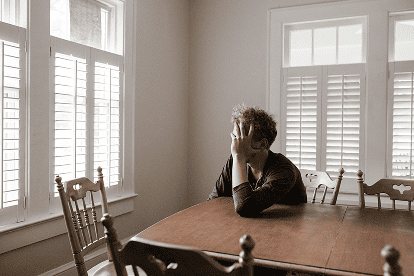
What Are Anxiety Disorders?

Anxiety Disorders are a group of mental health conditions characterized by excessive fear, worry, or nervousness that can interfere with daily life. While it is normal to experience anxiety from time to time, anxiety disorders involve symptoms that are persistent, difficult to control, and often disproportionate to the situation.

Anxiety Disorders often affect work, school, relationships, and overall well-being. Common types of anxiety disorders include Generalized Anxiety Disorder (GAD), Panic Disorder, and Social Anxiety Disorder, each of which present its own set of symptoms and challenges.

Book an Appointment

What Are Anxiety Disorders?

Anxiety Disorders are a group of mental health conditions characterized by excessive fear, worry, or nervousness that can interfere with daily life. While it is normal to experience anxiety from time to time, anxiety disorders involve symptoms that are persistent, difficult to control, and often disproportionate to the situation.

Anxiety Disorders often affect work, school, relationships, and overall well-being. Common types of anxiety disorders include Generalized Anxiety Disorder (GAD), Panic Disorder, and Social Anxiety Disorder, each of which present its own set of symptoms and challenges.

Book an Appointment

Causes of Anxiety Disorders

The exact cause of anxiety disorders is not fully understood, but research suggests that a combination of genetic, biological, environmental, and psychological factors may contribute to their development. Individuals with a family history of anxiety disorders may be at a higher risk of experiencing similar symptoms.

Stressful life events, trauma, chronic illness, certain medical conditions, and personality traits can also play a role. Anxiety disorders often develop from a combination of factors rather than a single cause.

What Are the Symptoms of Anxiety Disorders?

Symptoms of anxiety disorders vary depending on the specific condition but commonly include excessive worry, nervousness, restlessness, difficulty concentrating, irritability, and sleep disturbances. Many individuals also experience physical symptoms such as muscle tension, fatigue, rapid heartbeat, sweating, or shortness of breath.

Some people experience sudden episodes of intense fear known as panic attacks, while others may avoid certain situations due to fear of embarrassment, judgment, or triggering anxiety symptoms. Professional support may be beneficial when anxiety begins to interfere with daily responsibilities, relationships, or quality of life.


How Are Anxiety Disorders Diagnosed?

Diagnosis begins with a comprehensive psychiatric assessment. A licensed psychiatric provider will review symptoms, medical history, mental health history, and how anxiety is affecting day-to-day life.

Anxiety symptoms can overlap with other mental health and medical conditions. Thus, a thorough evaluation is important to ensure an accurate diagnosis. Understanding the type and severity of anxiety helps guide appropriate treatment recommendations.

Treatment for Anxiety Disorders

Treatment for anxiety disorders is personalized based on each individual’s symptoms, experiences, and goals. Early intervention can help reduce distress, improve coping skills, and support long-term symptom management.

Treatment may include psychotherapy, medication management, stress-management strategies, and recommended lifestyle changes. Following an evaluation, a licensed psychiatric provider at Remedy Psychiatry will develop a treatment plan tailored to your needs.

Book an Appointment

Related Conditions We Treat

Panic Attack

Support for sudden episodes of intense fear and physical symptoms associated with panic.

Learn More

Social Anxiety Disorder (Social Phobia)

Treatment for fear and anxiety related to social situations and interactions

Learn More

Obsessive-Compulsive Disorder (OCD)

Care for intrusive thoughts and repetitive behaviors that can significantly impact daily life.

Learn More

FAQ

How does Remedy support patients with anxiety disorders?

Remedy Psychiatry provides comprehensive evaluations and personalized treatment plans for individuals experiencing anxiety disorders. Our providers recommend evidence-based care designed to reduce symptoms, improve coping skills, and support overall well-being.

Do I need to take medication for anxiety disorders?

Not always, because some patients benefit from therapy and supportive interventions alone, while others may find medication helpful for managing anxiety symptoms. Treatment recommendations are tailored to your individual needs.

Is online psychiatry effective?

Yes. Virtual psychiatry provides convenient access to professional mental health care and can be an effective way to evaluate, diagnose, and manage anxiety disorders from home.