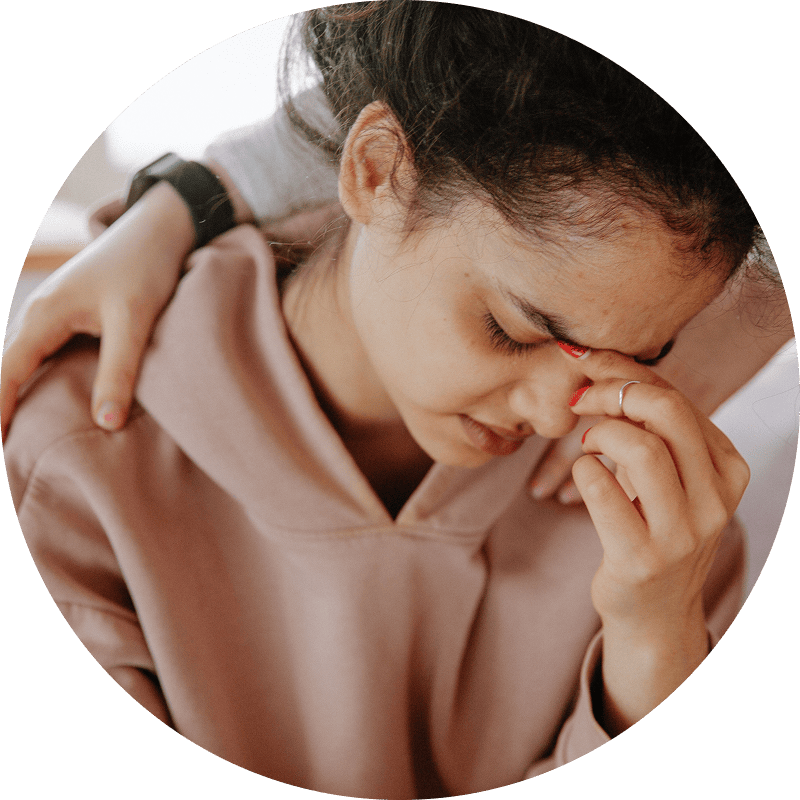
What Is Post-Traumatic Stress Disorder (PTSD)?

Post-Traumatic Stress Disorder (PTSD) is a mental health condition that can develop after experiencing or witnessing a traumatic event. Traumatic experiences may include military combat, serious accidents, physical or sexual assault, natural disasters, medical emergencies, or other situations involving actual or perceived danger.

While it is normal to experience stress or emotional distress following a traumatic event, PTSD occurs when symptoms persist and continue to interfere with daily life. Individuals with PTSD may find it difficult to move past the experience, often feeling as though the trauma is still affecting them long after the event has ended.

Book an Appointment

What Is Post-Traumatic Stress Disorder (PTSD)?

Post-Traumatic Stress Disorder (PTSD) is a mental health condition that can develop after experiencing or witnessing a traumatic event. Traumatic experiences may include military combat, serious accidents, physical or sexual assault, natural disasters, medical emergencies, or other situations involving actual or perceived danger.

While it is normal to experience stress or emotional distress following a traumatic event, PTSD occurs when symptoms persist and continue to interfere with daily life. Individuals with PTSD may find it difficult to move past the experience, often feeling as though the trauma is still affecting them long after the event has ended.

Book an Appointment

Causes of Post-Traumatic Stress Disorder (PTSD)

PTSD is triggered by exposure to a traumatic event, but not everyone who experiences trauma develops the condition. Factors such as the severity of the event, previous traumatic experiences, personal coping abilities, and access to social support can influence an individual’s risk.

Trauma can affect how the brain processes memories, emotions, and perceived threats. As a result, some individuals remain in a heightened state of alertness or continue to experience emotional and physical reactions long after the danger has passed.

What Are the Symptoms of Post-Traumatic Stress Disorder (PTSD)?

PTSD symptoms generally fall into four main categories: intrusive memories, avoidance behaviors, changes in mood and thinking, and heightened emotional or physical reactions. Symptoms can vary significantly from person to person and may change over time.

Many individuals experience unwanted memories, flashbacks, nightmares, or intense emotional reactions when reminded of the traumatic event. Others may avoid certain people, places, conversations, or activities associated with the experience. PTSD can also contribute to feelings of isolation, hopelessness, emotional numbness, difficulty trusting others, sleep disturbances, irritability, and trouble concentrating.

How Is Post-Traumatic Stress Disorder (PTSD) Diagnosed?

Diagnosing PTSD begins with a comprehensive psychiatric assessment. A licensed psychiatric provider will review symptoms, medical history, mental health history, and the nature of the traumatic experience.

Because trauma-related symptoms can overlap with anxiety disorders, depression, panic attacks, and other mental health conditions, a thorough evaluation is important for making an accurate diagnosis. Understanding how symptoms affect daily functioning helps guide treatment recommendations and ongoing care.

Treatment for Post-Traumatic Stress Disorder (PTSD)

Treatment for PTSD is individualized and designed to help reduce symptoms, improve coping skills, and support long-term recovery. Early intervention can help individuals regain a sense of safety, stability, and control over their lives.

Depending on the person’s needs, treatment may include psychotherapy, medication management, stress-reduction techniques, and ongoing psychiatric support. Following an evaluation, a licensed psychiatric provider at Remedy Psychiatry will develop a personalized treatment plan based on your goals, experiences, and symptoms.

Book an Appointment

Related Conditions We Treat

Acute Stress Disorder

Support for trauma-related symptoms that occur within the first month following a traumatic event.

Learn More

Anxiety Disorders

Treatment for excessive worry, fear, and anxiety symptoms that commonly occur alongside PTSD.

Learn More

Panic Attack

Care for sudden episodes of intense fear, and physical symptoms that may develop in response to trauma.

Learn More

FAQ

How does Remedy support patients with post-traumatic stress disorder (PTSD)?

Remedy Psychiatry provides comprehensive psychiatric evaluations and personalized treatment plans for individuals experiencing PTSD. Our providers work closely with patients to understand their experiences, monitor symptoms, and recommend evidence-based treatment options that support recovery.

Do I need to take medication for post-traumatic stress disorder (PTSD)?

Not necessarily. Some individuals benefit from therapy and supportive interventions alone, while others may find medication helpful for managing symptoms such as anxiety, sleep disturbances, or depression. Treatment recommendations are based on your unique needs and circumstances.

Is online psychiatry effective?

Yes. Virtual psychiatry offers accessible, professional mental health care and can be an effective way to evaluate, diagnose, and manage PTSD through secure online appointments and ongoing support.