What Is Trichotillomania?

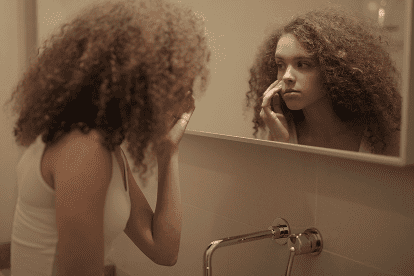
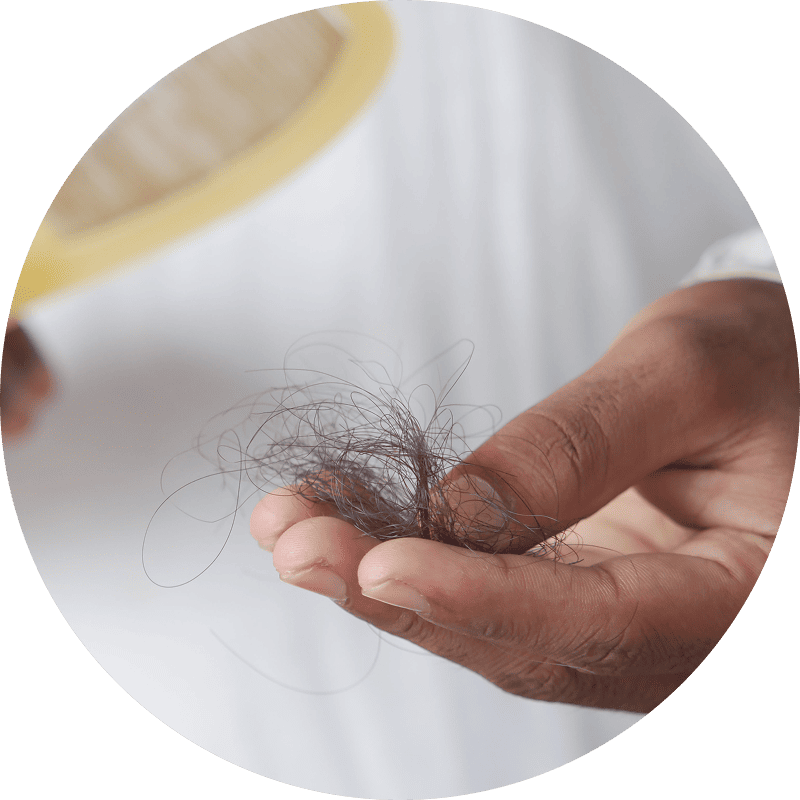
Trichotillomania, also known as hair-pulling disorder, is a mental health condition characterized by a recurrent, irresistible urge to pull out hair from the body. Most commonly, individuals pull hair from their scalp, eyebrows, or eyelashes, though any body area with hair can be affected. While some hair-pulling occurs during focused, stressful moments, it can also happen automatically when a person is distracted or relaxing.

The behavior of trichotillomania goes far beyond habit. It is a clinical condition that causes noticeable hair loss and significant emotional distress. Recognizing the signs early and seeking professional care can help manage these urges, reduce feelings of shame, and regain a sense of control.

Book an Appointment

What Is Trichotillomania?

Trichotillomania, also known as hair-pulling disorder, is a mental health condition characterized by a recurrent, irresistible urge to pull out hair from the body. Most commonly, individuals pull hair from their scalp, eyebrows, or eyelashes, though any body area with hair can be affected. While some hair-pulling occurs during focused, stressful moments, it can also happen automatically when a person is distracted or relaxing.

The behavior of trichotillomania goes far beyond habit. It is a clinical condition that causes noticeable hair loss and significant emotional distress. Recognizing the signs early and seeking professional care can help manage these urges, reduce feelings of shame, and regain a sense of control.

Book an Appointment

Causes of Trichotillomania

Evidence suggests that trichotillomania is a complex combination of genetic, biological, environmental and psychological factors. Differences in brain regions that control habits, impulses, and emotion processing may play a role. Specifically, neurotransmitters like serotonin or dopamine may be affected.

Individuals may find they resort to pulling hair more often in stressful or negative situations, boredom, or habit in a more unconscious, “automatic pulling” sense.

What Are the Symptoms of Trichotillomania?

Symptoms of trichotillomania focus on repetitive behavioral urge to pull hair, alongside the emotional impact that follows. Individuals may experience a sense of tension or uncomfortably strong urge immediately before pulling, followed by a temporary feeling of pleasure and gratification. This cycle often leads to visible patches of hair loss or thinning.

Some people may engage in finding specific hairs to pull, which can frequently cause emotional distress, feelings of guilt, shame or low self-esteem. This could, in turn, cause those to avoid certain social situations.

How Is Trichotillomania Diagnosed?

Diagnosis begins with a psychiatric assessment, including reviewing medical history, discussing pulling patterns, and how this impacts your emotional well-being and daily life.

There must be noticeable hair loss, and repeated, unsuccessful attempts to decrease or stop behavior. Trichotillomania will also be properly identified and distinguished from other health issues, such as dermatological conditions or hair loss from other medical reasons.

Treatment for Trichotillomania

Trichotillomania often serves as an automatic coping mechanism for stress or tension, structured therapeutic approaches are highly effective. Alongside therapy, medication, such as selective serotonin reuptake inhibitors (SSRIs) or other targeted medications, can be used to treat underlying anxiety, depression, or obsessive-compulsive symptoms.

Following a thorough evaluation, a Remedy psychiatric provider will develop your personalized treatment plan.

Book an Appointment

Related Conditions We Treat

Obsessive-Compulsive Disorder

Support for individuals experiencing intrusive, distressing thoughts and repetitive behavioral compulsions that are structurally similar to body-focused repetitive actions.

Learn More

Anxiety Disorder

Treatment for chronic, excessive worry and physical tension that frequently acts as a primary trigger for hair-pulling urges.

Learn More

Body Dysmorphic Disorder

Support for individuals experiencing an intense preoccupation with perceived flaws in their physical appearance, which can sometimes lead to repetitive behaviors like mirror checking or hair grooming.

Learn More

FAQ

How does Remedy support patients with Trichotillomania?

Remedy Psychiatry provides comprehensive evaluations and personalized treatment plans tailored to manage hair-pulling behaviors. Our licensed providers utilize evidence-based therapies, habit-reversal strategies, and targeted medical care to help you identify emotional triggers, reduce urges, and build sustainable coping mechanisms.

Do I need to take medication for Trichotillomania?

Not necessarily. Many individuals achieve significant progress through therapies and stress management techniques. However, if your hair-pulling is driven or worsened by underlying anxiety, depression, or obsessive-compulsive tendencies, targeted medication can be a valuable tool. Your plan will be completely tailored to your needs.

Is online psychiatry effective?

Yes. Virtual psychiatry offers a private, comfortable, and low-stress environment for treating trichotillomania. This topic can often be sensitive or vulnerable. Initiating care from the privacy of your home makes it easier to build an open, trusting relationship with your Remedy Psychiatry provider.