

Date of Editing: 6/08/2026, By Rachel De La Merced & Kate Filippelli
Written by Rachel De La Merced and reviewed by Board Certified Psychiatric Nurse Practitioner Kate Filippelli, PMHNP who specializes in evidence-based psychiatry practices with personalized treatment plans for all mental health challenges, including psychiatric medication management, research-based supplements and behavioral interventions for major depressive disorder, bipolar disorder, anxiety, panic, OCD, ADHD and eating disorders.
If you have ever searched for an online psychiatrist or wondered whether telepsychiatry actually works, you are not alone. Virtual mental health care has expanded quickly, offering a way to connect with a psychiatric provider without commuting, waiting rooms, or long delays. But convenience aside, most people want to know one thing: does it actually work?
The research is increasingly clear. For most mental health conditions, telepsychiatry is just as effective as in-person care. In some cases, it may even offer advantages like faster access and earlier symptom improvement. At the same time, it is not the right fit for every situation. Understanding where it works best, and where it may fall short, can help you make a more informed decision. If you are still searching for the right provider, learning how to find the right online psychiatrist can help you evaluate quality, credentials, and treatment options more effectively.
What Telepsychiatry Actually Involves
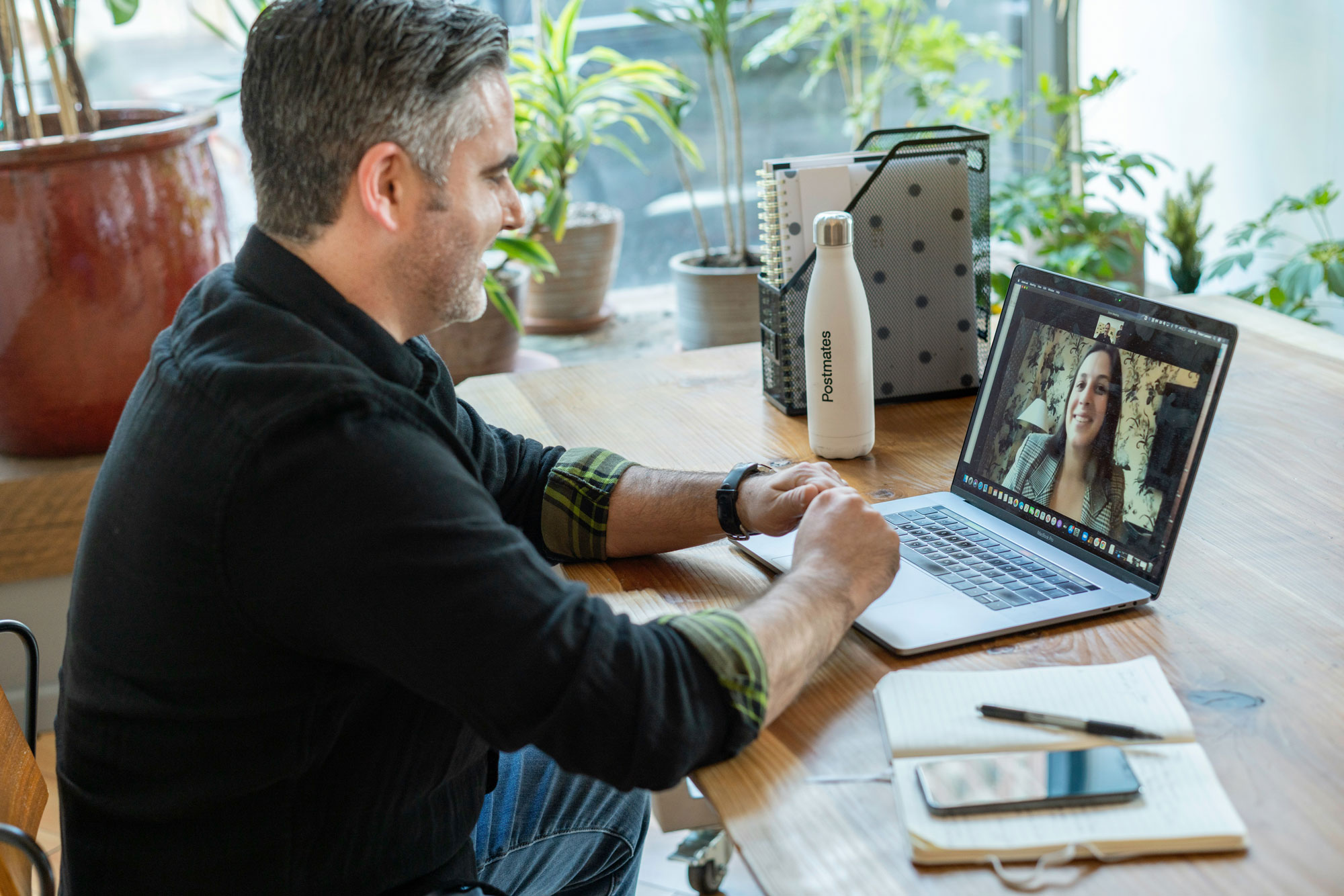
Telepsychiatry is mental health care delivered through secure video or phone appointments. Instead of sitting in an office, you meet with a psychiatric provider remotely for evaluation, diagnosis, and medication management. Notably, many patients also wonder whether they can receive an online psychiatrist prescription during virtual appointments when medication management is clinically appropriate.
In most cases, visits focus on:
- Understanding symptoms and medical history
- Making or confirming a diagnosis
- Prescribing or adjusting medication
- Tracking progress over time
What The Research Says About Effectiveness
Across multiple large studies, telepsychiatry consistently performs on par with in-person care. A 2023 meta-analysis of randomized controlled trials found no significant difference in symptom improvement or dropout rates between virtual and face-to-face treatment [1]. Another large review of 57 studies reported that outcomes were largely equivalent across hundreds of clinical measures [2].
A 2022 rapid review of randomized trials reinforced this finding, showing that telehealth interventions generally produce outcomes comparable to traditional care [3].
In practical terms, this means the format of care – online versus in-person – does not usually determine how well treatment works.
Where Telepsychiatry May Have An Edge
Some of the strongest findings come from research on depression. One meta-analysis found that telepsychiatry was associated with slightly greater improvement in depressive symptoms compared to in-person care [1], while others found no meaningful difference but confirmed both approaches are effective [4].
There is also evidence that people may start feeling better relatively quickly with online care. In one study, more than half of participants experienced noticeable symptom improvement within the first few weeks [10].
For anxiety disorders, outcomes are similarly strong. Online care – including structured, app-supported approaches – has been shown to produce comparable results to in-person treatment [5].
As a psychiatric mental health nurse practitioner at Remedy, I often see that the most successful treatment outcomes happen when care fits seamlessly into a person’s real life. In our clinical experience, telepsychiatry is far more than just a matter of convenience; it is a tool that allows for a more consistent and focused therapeutic connection. By eliminating the external stressors of a traditional office visit, we can dive deeper into the root causes of symptoms and build a partnership based on what truly works for the patient’s day-to-day reality.
Where Nuance Matters
Telepsychiatry works well for many conditions, but not all situations are identical.
- PTSD: Outcomes are generally comparable, though more severe cases may benefit from in-person support [3][6]
- Eating disorders: Limited evidence suggests in-person care may be more effective [1]
- Substance use disorders: Some data shows higher dropout rates in virtual settings [1]
These differences do not mean telepsychiatry is not useful: they highlight the importance of matching care to individual needs. Also, understanding the difference between psychiatrist vs therapist can also help determine what level of support may be most appropriate.
Can A Psychiatric Provider Diagnose Accurately Online?
A common concern is whether a virtual visit can replace an in-person evaluation. Research suggests it can. A 2024 systematic review found that telehealth-based psychiatric diagnoses closely match in-person assessments across conditions like depression, bipolar disorder, and PTSD [7].
In our clinical practice at Remedy, we have found that a virtual platform does not limit our ability to be thorough; in many ways, it enhances it. During a video session, we are able to observe a patient’s body language, speech patterns, and affect in a setting where they feel most like themselves. This “home-base” perspective provides a level of clinical insight that is often masked by the anxiety of sitting in a formal medical office, ensuring our assessments are both accurate and deeply personalized.
Because psychiatric diagnosis relies heavily on conversation, symptom history, and clinical judgment, it translates well to a video or phone setting when done carefully.
What Patients Think About Telepsychiatry
Effectiveness is only part of the story. Patient experience also matters, and most people report positive experiences with telepsychiatry. Studies show that over 70% of patients are satisfied, often rating care as good to excellent [8][9].
People tend to prefer telepsychiatry because it:
- Removes travel time and waiting rooms
- Makes scheduling easier
- Allows care from a more comfortable environment
- Can reduce delays in starting treatment
Many people also look for online therapy that takes insurance so they can access mental health treatment more affordably and consistently.
How Telepsychiatry Is Being Used Today
Telepsychiatry is now a routine part of mental health care. Nearly half of adults receiving outpatient mental health treatment in the U.S. have used telehealth, and a significant portion rely on it exclusively [6].
For many, this shift comes down to access. Virtual care makes it easier to connect with a psychiatric provider without disrupting work, school, or family responsibilities.
If you are exploring options, reviewing the Remedy Psychiatry treatment services page can help you understand what telepsychiatry looks like. It may also help to understand online psychiatrist costs and what factors influence pricing for virtual mental health care.
When In-Person Care May Be Better
Even with strong evidence supporting telepsychiatry, there are situations where in-person care may be more appropriate. This includes cases where symptoms are severe, rapidly changing, or require close monitoring.
In-person or hybrid care may be a better fit if:
- You need hands-on medical evaluation
- Symptoms feel unstable or urgent
- You do not have reliable internet or a private space
- You prefer face-to-face interaction
In many cases, a flexible approach that combines both formats can work well.
What To Expect From A Virtual Psychiatry Appointment
If you are new to telepsychiatry, the process is usually simple. Your first visit focuses on understanding your symptoms and goals. From there, a psychiatric provider may recommend medication or adjustments, with follow-ups used to track progress.
If you want a clearer picture of how visits work, the Remedy Psychiatry FAQ page covers common questions regarding insurance and the appointments themselves. Learning what happens during a first psychiatry appointment can also help reduce uncertainty before beginning care.
Preparing a list of questions to ask a psychiatrist before your appointment may help you feel more comfortable discussing symptoms, treatment goals, and medication concerns.
When To Seek Care
If symptoms like persistent anxiety, low mood, sleep problems, or difficulty concentrating are affecting your daily life, it may be time to seek support. Mental health conditions are common and treatable, and getting help earlier can make a meaningful difference. Often, you do not legally need a psychiatrist referral before scheduling virtual mental health care.
Seek immediate in-person care if symptoms feel urgent, especially if there are concerns about safety.
The Bottom Line
At Remedy, we believe that the most effective treatment is the one you can actually show up for. One of the most significant clinical advantages of telepsychiatry is the way it protects the consistency of care. When life happens, such as a meeting running late, a child staying home from school, or transportation falling through, virtual care allows the appointment to still happen. In mental health, that continuity is often the key factor that determines whether a patient achieves long-term stability or continues to struggle.
Telepsychiatry is no longer a backup option – it is a well-supported, effective way to receive mental health care. For most conditions, it delivers outcomes comparable to in-person treatment, with added convenience and accessibility.
If your needs or treatment goals change over time, learning how to switch psychiatrists can help you transition care smoothly and continue receiving appropriate support. The right choice depends on your needs, preferences, and symptoms. What matters most is finding care you can access consistently and feel comfortable with.
Disclaimer: This content is for educational purposes only and is not medical advice. Decisions about diagnosis and treatment should be made with a qualified healthcare provider. Please avoid sharing personal health information in public or unsecured settings.
References
-
Hagi K, Kurokawa S, Takamiya A, et al. Telepsychiatry versus face-to-face treatment: Systematic review and meta-analysis of randomized controlled trials. Br J Psychiatry. 2023.
-
Batastini AB, Paprzycki P, Jones ACT, MacLean N. Are videoconferenced mental and behavioral health services just as good as in-person? Clin Psychol Rev. 2021.
-
Bellanti DM, Kelber MS, Workman DE, Beech EH, Belsher BE. Effectiveness of telehealth interventions for behavioral health disorders. Mil Med. 2022.
-
Scott AM, Clark J, Greenwood H, et al. Telehealth vs face-to-face care for depression: A systematic review and meta-analysis. Psychol Med. 2022.
-
Willemsen RF, Versluis A, Aardoom JJ, et al. Online psychotherapy with app support vs usual care. Int J Med Inform. 2024.
-
Olfson M, McClellan C, Zuvekas SH, Blanco C. Telemental health, hybrid, and in-person outpatient care in the US. JAMA Psychiatry. 2026.
-
van der Merwe M, Atkins T, Scott AM, Glasziou PP. Diagnostic assessment via telehealth vs face-to-face: A systematic review. J Clin Psychiatry. 2024.
-
Morreale M, Cohen I, Van Wert M, et al. Satisfaction in telehealth psychiatry. Front Psychiatry. 2023.
-
American Psychiatric Association. Telemedicine in psychiatry resource document. 2017.
-
Bisby MA, Scott AJ, Fisher A, et al. Timing and magnitude of symptom improvements in internet-delivered treatment. J Consult Clin Psychol. 2023.